The Hunter Valley, located in New South Wales, Australia, is one of the country’s most renowned wine regions. With a history that spans over 180 years, it is celebrated for its rich heritage and exceptional wines. This down-to-earth guide explores the fascinating history of winemaking in the Hunter Valley.
Early Beginnings
The Arrival of Vine Cuttings
The story of Hunter Valley winemaking begins in the early 19th century. In 1825, James Busby, often regarded as the father of Australian viticulture, brought vine cuttings from Europe to Australia. He planted them at his property, “Kirkton,” in the Hunter Valley. These initial plantings laid the foundation for the region’s future as a premier wine destination.
First Commercial Vineyards
By the 1830s, other settlers followed Busby’s lead and established vineyards in the region. George Wyndham was one of the pioneers who planted vines at Dalwood (now part of Wyndham Estate) in 1828. His success encouraged further plantings and the establishment of more commercial vineyards, marking the beginning of a thriving wine industry in the Hunter Valley.
Growth and Challenges
Expansion in the 19th Century
Throughout the 19th century, the Hunter Valley’s wine industry expanded rapidly. By the 1860s, the region had over 500 acres of vineyards. Early winemakers focused on producing fortified wines, which were popular in Europe at the time. Despite challenges like phylloxera (a devastating vine pest), the industry persevered and continued to grow.
Adapting to Change
The early 20th century brought new challenges, including economic depression and changing tastes. Winemakers adapted by shifting their focus from fortified wines to table wines. This period saw the emergence of some iconic wineries, such as Tyrrell’s Wines, established in 1858, which played a crucial role in shaping the region’s reputation for high-quality table wines.
Modern Era and Innovations
The Rise of Semillon and Shiraz
The mid-20th century marked a turning point for Hunter Valley winemaking. Winemakers began to focus on producing exceptional Semillon and Shiraz wines, which would become the region’s signature varieties. The unique climate and terroir of the Hunter Valley proved ideal for these grapes, leading to wines that gained international acclaim.
Technological Advancements
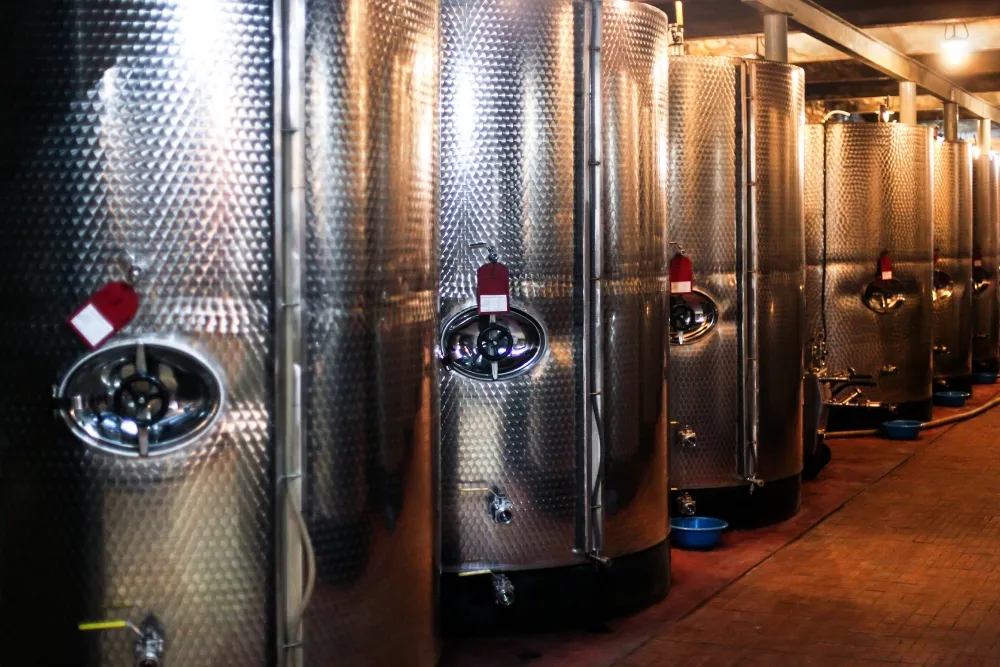
The late 20th and early 21st centuries saw significant technological advancements in viticulture and winemaking. Improved irrigation techniques, modern winemaking equipment, and a better understanding of vineyard management helped Hunter Valley winemakers produce even higher quality wines. This period also saw an increase in boutique wineries, adding diversity to the region’s wine offerings.
The Role of Family Wineries
Generational Knowledge
Family-owned wineries have been the backbone of the Hunter Valley’s wine industry. Generations of winemakers have passed down their knowledge and passion, ensuring the continuation of traditional methods while embracing innovation. Wineries like Tyrrell’s, Tulloch, and Drayton’s have become synonymous with the region’s rich winemaking heritage.
Community and Collaboration
The close-knit community of winemakers in the Hunter Valley has fostered a spirit of collaboration and mutual support. Winemakers often share techniques, insights, and resources, contributing to the overall success and reputation of the region. This sense of community has been instrumental in navigating challenges and celebrating successes together.
Hunter Valley Today
A Thriving Wine Tourism Destination
Today, the Hunter Valley is not only known for its wines but also as a premier wine tourism destination. With over 150 wineries, visitors can explore cellar doors, participate in wine tastings, and enjoy gourmet food experiences. The region’s scenic beauty and warm hospitality make it a favourite among wine enthusiasts and tourists alike.
Sustainability and Innovation
Modern Hunter Valley winemakers are committed to sustainability and innovation. Many wineries are adopting organic and biodynamic practices, ensuring that the region’s vineyards remain healthy and productive for future generations. The focus on sustainable practices also enhances the quality and uniqueness of Hunter Valley wines.
A Legacy of Excellence
The history of winemaking in the Hunter Valley is a story of resilience, innovation, and passion. From its humble beginnings with James Busby to its status as a world-renowned wine region, the Hunter Valley has consistently produced exceptional wines. As winemakers continue to balance tradition with modern techniques, the future of Hunter Valley winemaking looks brighter than ever. So next time you enjoy a glass of Hunter Valley wine, remember the rich history and dedication that goes into every bottle. Cheers to the legacy of excellence!