Winemaking is a fascinating blend of art and science, transforming humble grapes into the sophisticated wines enjoyed around the world. Understanding the winemaking process can deepen your appreciation for each bottle and give you a newfound respect for the craft. Here’s an insider’s look at what goes into making that perfect glass of wine.
Harvesting the Grapes
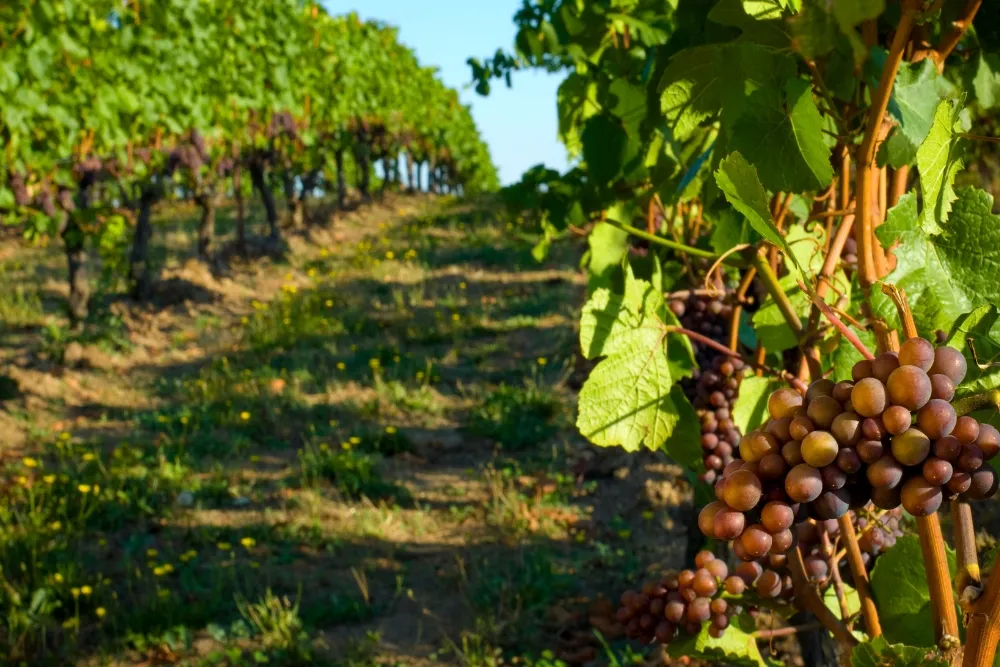
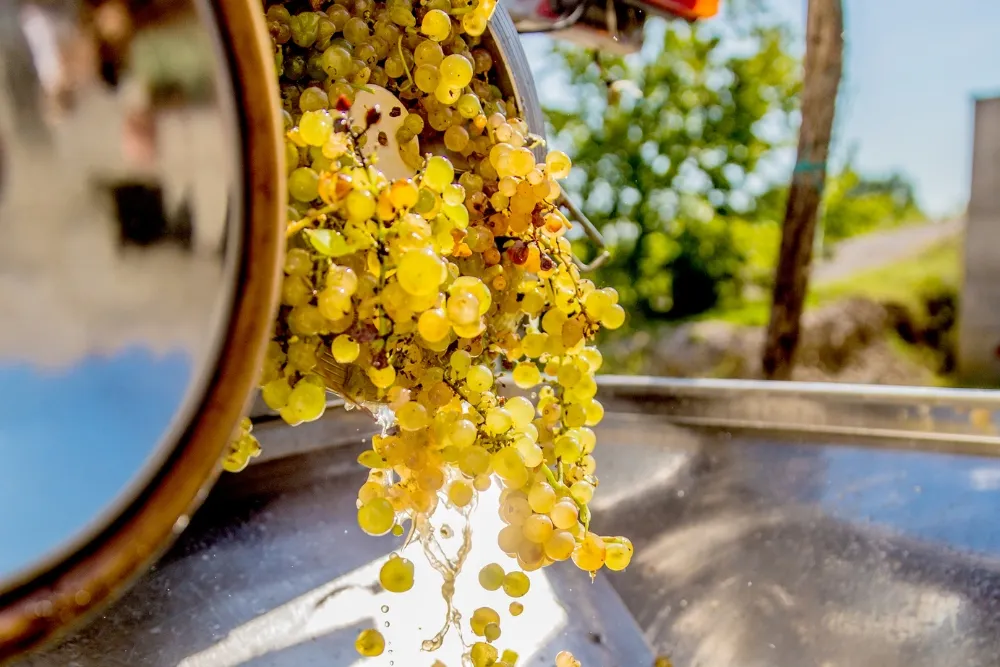
The winemaking journey begins with the harvest. Timing is crucial here; grapes must be picked at their peak ripeness to ensure the best flavour and balance. This usually happens in late summer or early autumn. The choice of when to harvest depends on factors like sugar levels, acidity, and overall grape health. Once picked, the grapes are carefully sorted to remove any that are overripe or damaged.
Crushing and Destemming
After harvesting, the grapes are transported to the winery, where they undergo crushing and destemming. This process involves removing the stems from the bunches and gently crushing the grapes to release their juice. In modern winemaking, this is often done using machinery that ensures minimal damage to the grapes. The goal is to extract the juice while retaining as much flavour and aroma as possible.
Fermentation: The Magic Begins
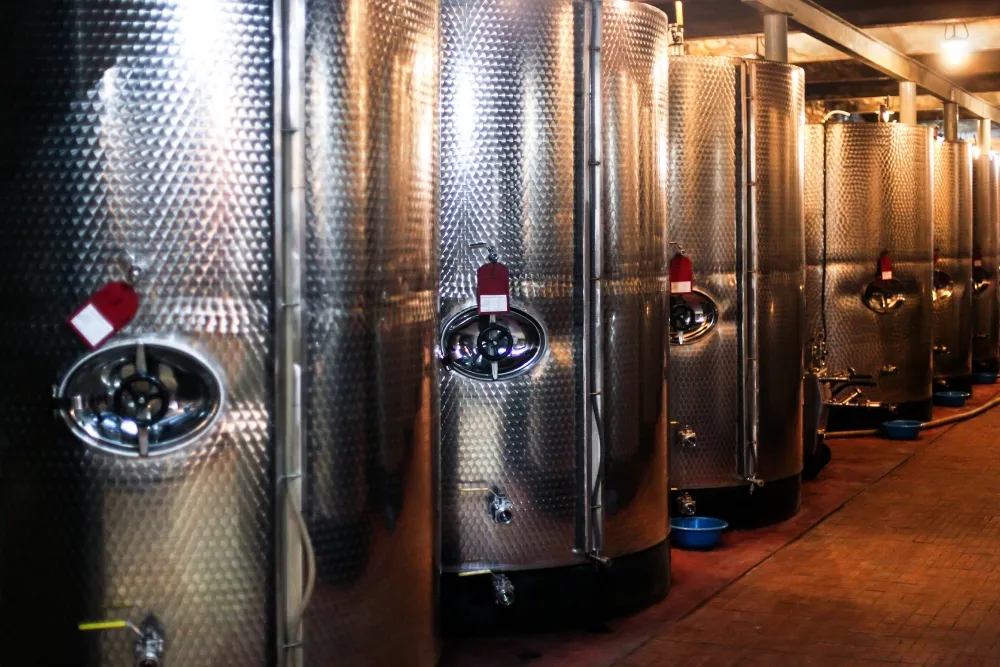
Fermentation is where the real transformation happens. The grape juice is transferred to fermentation tanks, where yeast is added. Yeast is a crucial ingredient in this stage; it converts the sugars in the juice into alcohol and carbon dioxide. This process can take from several days to a few weeks, depending on the type of wine being made. During fermentation, winemakers closely monitor temperature and other conditions to ensure the development of the desired flavours.
Pressing: Separating the Juice
Once fermentation is complete, the next step is pressing. For red wines, pressing usually happens after fermentation, while for white wines, it occurs beforehand. The goal is to separate the juice from the solid grape skins, seeds, and stems. This is done using a press, which gently squeezes the grape skins to extract the remaining juice. The result is a clearer, more refined wine.
Aging: Developing Flavours
Aging is a critical stage in winemaking that allows the wine to develop its complex flavours. This can be done in various types of containers, including oak barrels or stainless steel tanks. Oak barrels can impart additional flavours and tannins, while stainless steel preserves the wine’s fresh, fruity characteristics. The length of aging depends on the type of wine and the winemaker’s goals.
Blending: Creating the Perfect Mix
Blending is where the winemaker’s artistry really shines. This process involves combining different lots of wine to achieve a desired flavour profile. Winemakers might blend wines from different grape varieties, vineyards, or vintages. The goal is to create a wine that has balance, complexity, and consistency. This stage often involves a lot of tasting and tweaking to get it just right.
Filtering and Clarifying
Before the wine is bottled, it goes through a process of filtering and clarifying. This helps remove any remaining sediments and ensure the wine is clear and stable. Various methods are used, including fining agents and filtration systems. This stage is important for the final presentation and taste of the wine.
Bottling: The Final Step
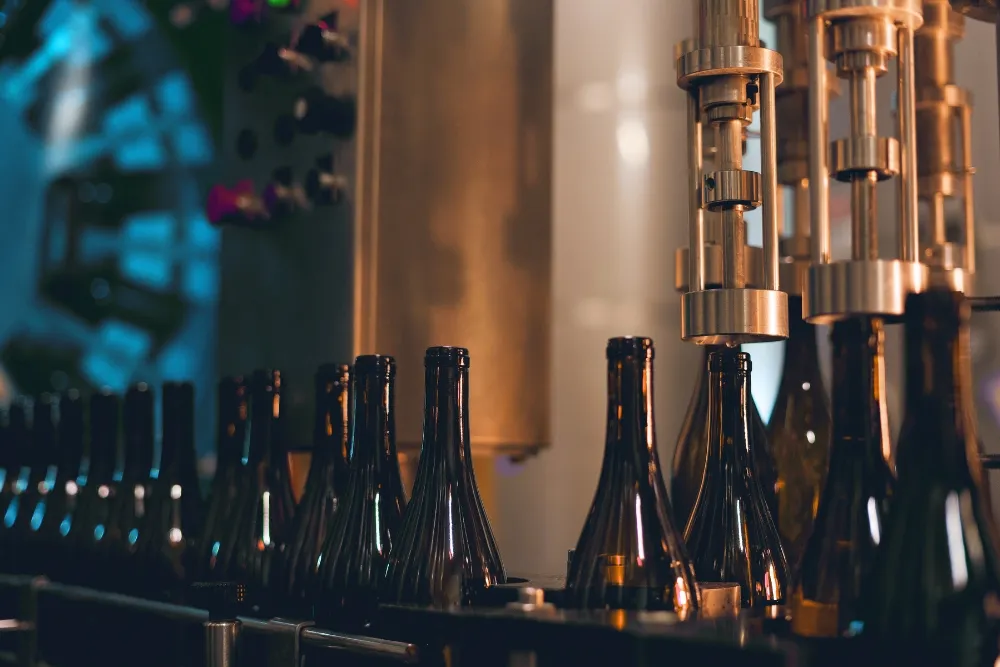
Once the wine is filtered and clarified, it’s ready for bottling. This process involves carefully filling bottles, corking them, and labelling them. Bottling is done with great care to avoid any contamination or oxidation. Modern bottling lines are highly automated, but many wineries still handle this stage with a personal touch to ensure quality.
Quality Control: Ensuring Excellence
Throughout the winemaking process, quality control is paramount. Winemakers constantly test samples of wine to ensure it meets their standards. This includes checking for flavour, aroma, and stability. Any issues identified are addressed before the wine is released to the public. Quality control helps ensure that each bottle of wine maintains the winery’s reputation and meets customer expectations.
Aging in the Bottle: Final Touches
After bottling, some wines benefit from additional aging. This can help the wine further develop its flavours and achieve greater complexity. Bottle aging varies depending on the type of wine and the winemaker’s vision. This final stage is crucial for many wines, especially those intended for long-term aging.
A Toast to the Craft
Winemaking is a meticulous and time-honoured process that combines science, skill, and passion. From the careful harvesting of grapes to the final bottle aging, each step contributes to the creation of a wine that tells a story. Next time you enjoy a glass of wine, or take a local wine tour, take a moment to appreciate the craftsmanship behind it. Cheers to the winemakers who turn grapes into liquid artistry, making every sip a celebration of their dedication and expertise.