Wine and cheese have long been celebrated as a classic combination, each enhancing the flavours of the other. Whether you’re visiting a winery, attending a tasting event, or simply enjoying a night in, understanding the art of wine and cheese pairings can elevate your experience to new heights. Here’s a down-to-earth guide on how to match these two culinary delights to make your next tour or gathering unforgettable.
The Basics of Pairing
Before diving into specific pairings, it’s essential to understand the basics. The goal of pairing wine and cheese is to find a balance where neither overpowers the other. Generally, you want to match the intensity of the wine with the strength of the cheese. For example, a bold, full-bodied red wine pairs well with a strong cheese, while a light, crisp white wine complements a milder cheese.
Matching Wine and Cheese by Type
Different types of wines and cheeses work well together based on their characteristics. Here’s a quick guide to some popular combinations:
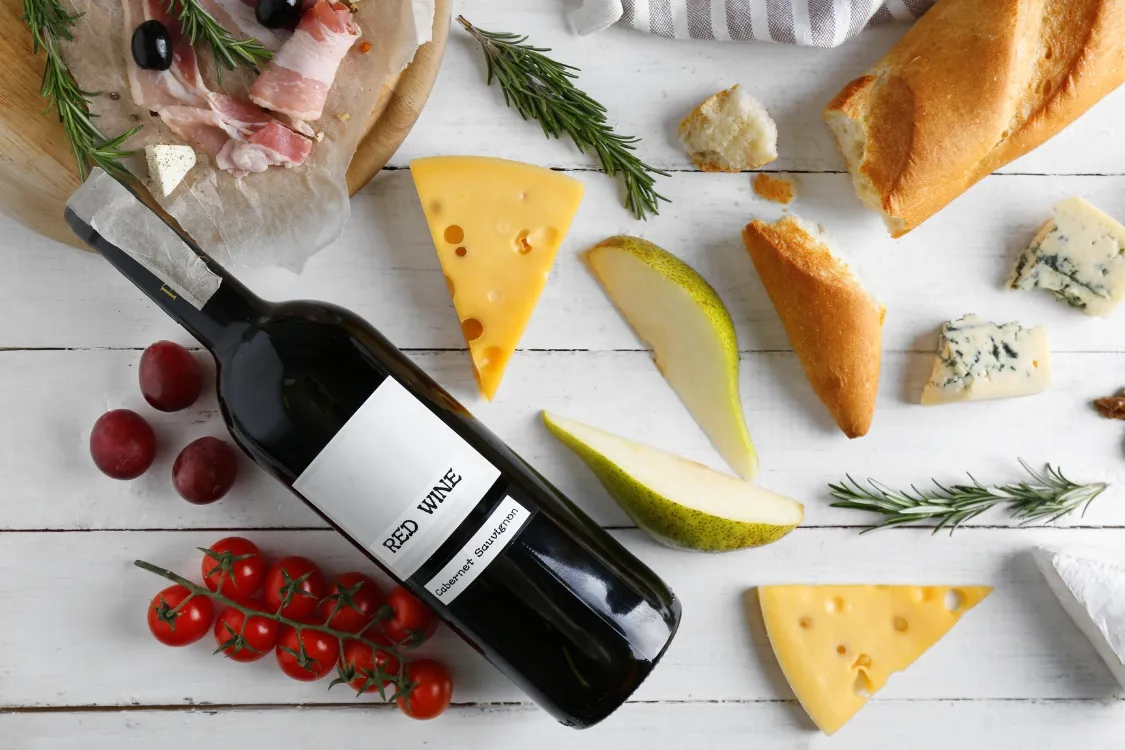
- Red Wine and Hard Cheese: Aged cheeses like Parmesan, Gouda, and Cheddar are fantastic with robust red wines such as Cabernet Sauvignon or Shiraz. The rich flavours of the cheese and the wine’s tannins complement each other perfectly.
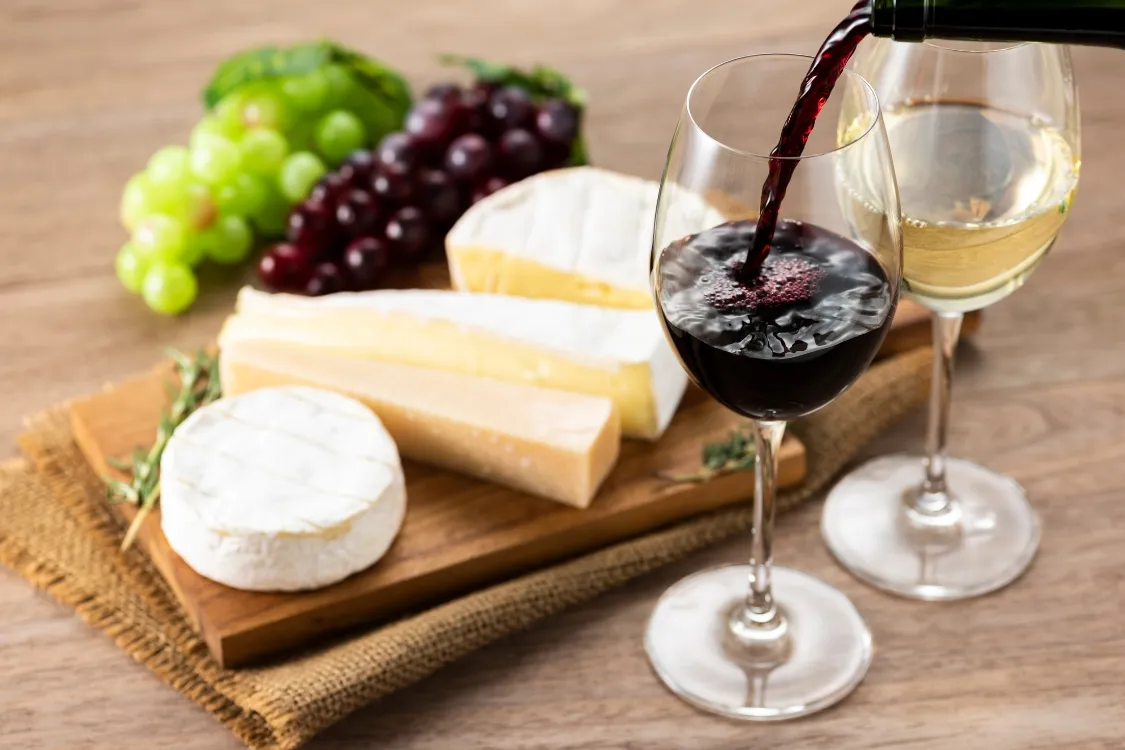
- White Wine and Soft Cheese: Soft cheeses like Brie, Camembert, and Goat cheese pair beautifully with crisp white wines such as Chardonnay or Sauvignon Blanc. The acidity in the wine cuts through the richness of the cheese, creating a harmonious balance.
- Sparkling Wine and Various Cheeses: Sparkling wines like Champagne or Prosecco are incredibly versatile. They pair well with a range of cheeses from creamy Brie to sharp Cheddar. The bubbles in the wine help cleanse the palate between bites.
Exploring Regional Pairings
Regional pairings are a fun way to explore local wines and cheeses. For instance, if you’re touring the Hunter Valley, you might want to try local wines like Semillon with a cheese produced in the same region. This not only supports local producers but also allows you to experience flavours that complement each other naturally due to their shared terroir.
Consider the Texture
The texture of both wine and cheese plays a crucial role in pairing. For instance:
- Creamy Cheeses: Soft cheeses like Brie and Camembert pair well with white wines that have a bit of acidity. The wine helps balance the creaminess of the cheese.
- Firm Cheeses: Hard cheeses like Gouda and Manchego go well with full-bodied red wines. The wine’s structure matches the cheese’s firmness and strong flavours.
Balancing Flavours
When pairing wine and cheese, consider both the flavour profiles and the intensity of each. A strong-flavoured cheese like Roquefort works well with a sweet wine like Sauternes, which balances the saltiness of the cheese with its sweetness. On the other hand, a milder cheese like Mozzarella pairs well with a light, fruity white wine.
Pairing Wine and Cheese for Different Occasions
Different occasions call for different pairings. For a casual picnic, you might opt for a fresh, light wine like Pinot Grigio paired with a mild cheese like Havarti. For a more formal dinner, a robust red wine like Merlot with a rich blue cheese like Stilton could be perfect. Tailoring your pairings to the event ensures a memorable experience for you and your guests.
Experimenting with Unusual Combinations
Don’t be afraid to step outside traditional pairings and experiment with unusual combinations. For instance, try a sweet dessert wine with a sharp, aged cheese. Or pair a spicy red wine with a creamy, spicy cheese. The goal is to find combinations that surprise and delight your palate.
Creating a Cheese Board
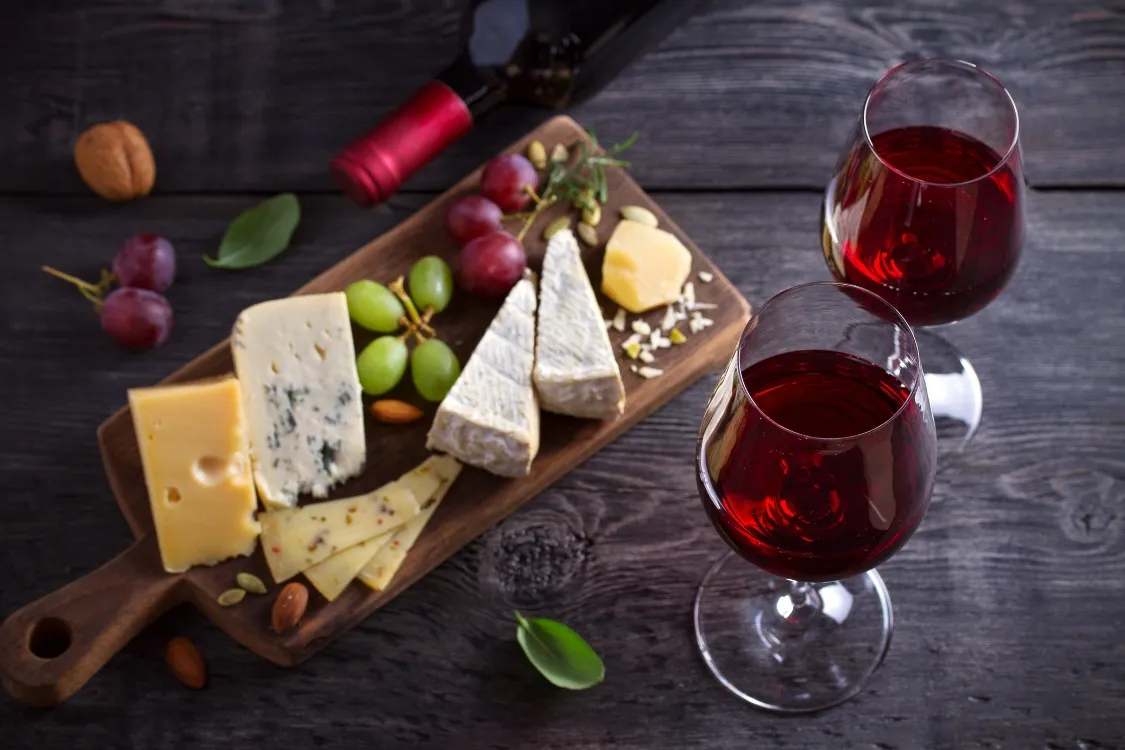
When serving cheese and wine together, a well-curated cheese board can enhance the experience. Include a variety of cheeses, such as a soft cheese, a hard cheese, and a blue cheese, and complement them with fresh fruit, nuts, and crackers. This variety allows guests to mix and match, finding their preferred pairings.
Serving Tips
Serve cheeses at room temperature to fully appreciate their flavours. For wine, make sure you’re serving it at the correct temperature: red wines should be slightly below room temperature, while white wines should be chilled. Proper serving ensures that both the wine and cheese are at their best.
Tasting Etiquette
When tasting wine and cheese, start with lighter flavours and work your way to stronger ones. Take small bites and sips, allowing your palate to adjust. Take note of how the flavours interact and complement each other. This thoughtful approach will help you appreciate the nuances of each pairing.
Elevate Your Experience
Wine and cheese pairings offer a delightful way to explore and enjoy the rich, diverse world of flavours. By understanding the basics and experimenting with different combinations, you can elevate your wine tours and gatherings to new heights. So next time you uncork a bottle and slice a wedge of cheese, remember these tips to make the most of your pairing experience. Cheers to finding the perfect match and enjoying every delicious moment!