Ever wondered about the colourful yarn that makes up the winemaking history of Hunter Valley? We’ve found ourselves spellbound by it, and no wonder – this is Australia’s oldest and most prestigious wine region we’re talking about.
Within this blog post, we’re going to unravel a gripping journey from its humble beginnings with just a few vineyards in the 18th century, right through to its standing today as home to over 150 top-notch wineries.
Line us up another schooner of vino – let’s get stuck into this fascinating tale together.
Key Takeaways
- George Wyndham, William Kelman, and James King were among the early pioneers of winemaking in Hunter Valley.
- In 1825, James Busby’s purchase of vineyard land marked a significant milestone in the region’s wine history.
- The wine industry in Hunter Valley experienced significant growth in the late 19th century.
- The winemaking in Hunter Valley evolved through the introduction of new grape varieties and modern techniques.
- The climate and geography of Hunter Valley create ideal conditions for growing grapes.
- The region’s unique terroir contributes to the production of exceptional wines, particularly Semillon.
- The influence of climate on wine styles results in a diverse range of wines produced in Hunter Valley.
- Brock Fordwich, Pokolbin, and Upper Hunter Valley are subregions within the larger Hunter Valley wine region.
Early European Settlement and Vineyard History
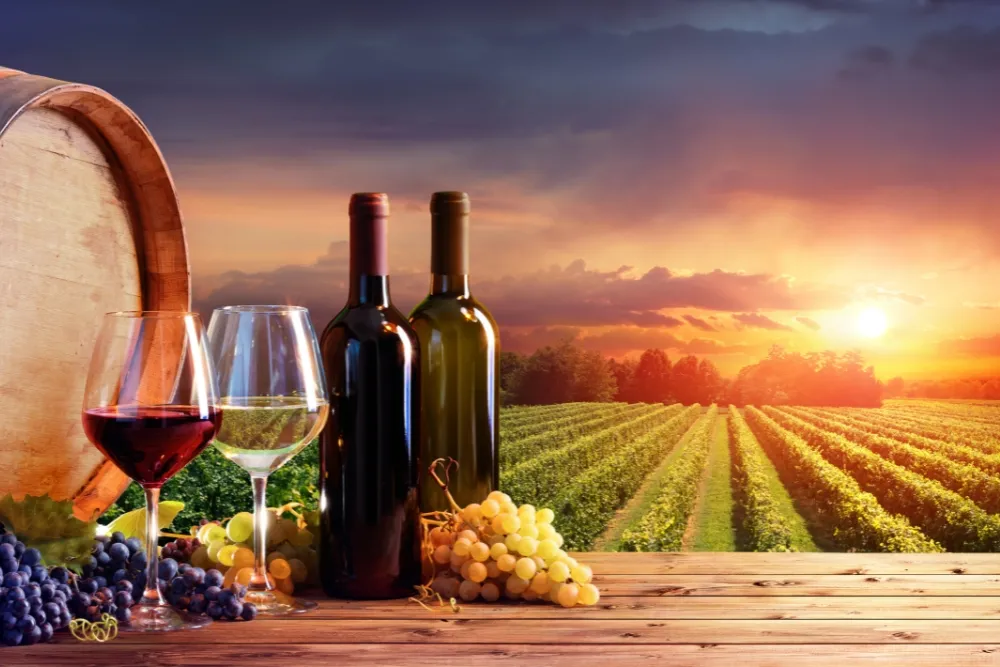
During the early European settlement, several vineyards were established in Hunter Valley by pioneers such as George Wyndham, William Kelman, and James King. In 1825, James Busby purchased land for vineyard purposes, contributing to the growth of the wine industry in the late 19th century.
Vineyards established by George Wyndham, William Kelman, and James King
George Wyndham, William Kelman, and James King rank among the early pioneers of winemaking in our Hunter Valley. George Wyndham planted his first vineyard, Dalwood, around 1830 and it quickly grew to be a significant name in the region’s wine production.
Around two decades later, William Kelman followed suit by establishing Kirkton Vineyards added even more diversity to our valley’s growing wine industry. And then there was James King who set up shop at Irrawang and contributed greatly towards shaping what we now know as Hunter Valley’s rich viticultural heritage.
These individuals took advantage of the unique conditions offered by the region and laid a solid foundation for what has become one of Australia’s leading winegrape growing zones. The fruits of their labour continue to blossom today with over 150 wineries spread across this fertile land, each paying homage to those pioneers with every grape they harvest.
Purchase of vineyard land by James Busby in 1825
In 1825, James Busby made an important purchase that would shape the future of winemaking in the Hunter Valley. He acquired vineyard land, marking a significant milestone in the region’s wine history.
This acquisition paved the way for further development and expansion of viticulture in the area. Thanks to Busby’s foresight and dedication, the Hunter Valley became one of Australia’s premier wine regions, known for its exceptional wines and rich winemaking heritage.
Today, visitors can explore this historic vineyard land and taste some of the finest wines produced from these ancient vines.
Flourishing wine industry in the late 19th century
The late 19th century saw the Hunter Valley’s wine industry thrive. Pioneering winemakers like George Wyndham, William Kelman, and James King laid the foundation for what would become Australia’s oldest and most renowned wine region.
By 1823, there were already 20 acres of vineyards planted in the valley, setting the stage for a flourishing wine industry. Today, the Hunter Valley is home to over 150 great wineries, each producing its own unique and iconic wines.
The region’s rich historical lineage continues to influence its status as a leading winegrape growing zone in Australia.
Evolution of Winemaking in Hunter Valley
The winemaking in Hunter Valley evolved through the introduction of new grape varieties, the growth of the industry, and the development of modern techniques.
Introduction of new grape varieties
As the wine industry in the Hunter Valley evolved, so too did the introduction of new grape varieties. The region’s viticulturists and winemakers have always been open to experimentation and innovation, which has led to a diverse range of wines being produced.
In addition to the signature grape variety, Semillon, which flourishes in the region’s terroir, other notable grape varieties like Chardonnay and Cabernet Sauvignon have also found success here.
With each new variety comes an opportunity for winemakers to showcase their skills and push the boundaries of what is possible in this historic wine region.
Growth of the wine industry in the mid-20th century
In the mid-20th century, the wine industry in the Hunter Valley experienced significant growth. This period marked a turning point for the region’s winemaking, as it saw an increase in both production and popularity.
New wineries were established, and existing ones expanded their operations to meet the growing demand for Hunter Valley wines. The introduction of modern winemaking techniques further improved the quality of the wines produced.
As a result of this growth, Hunter Valley wines gained recognition on a national and international level, solidifying the region’s status as one of Australia’s premier wine destinations.
Development of modern winemaking techniques
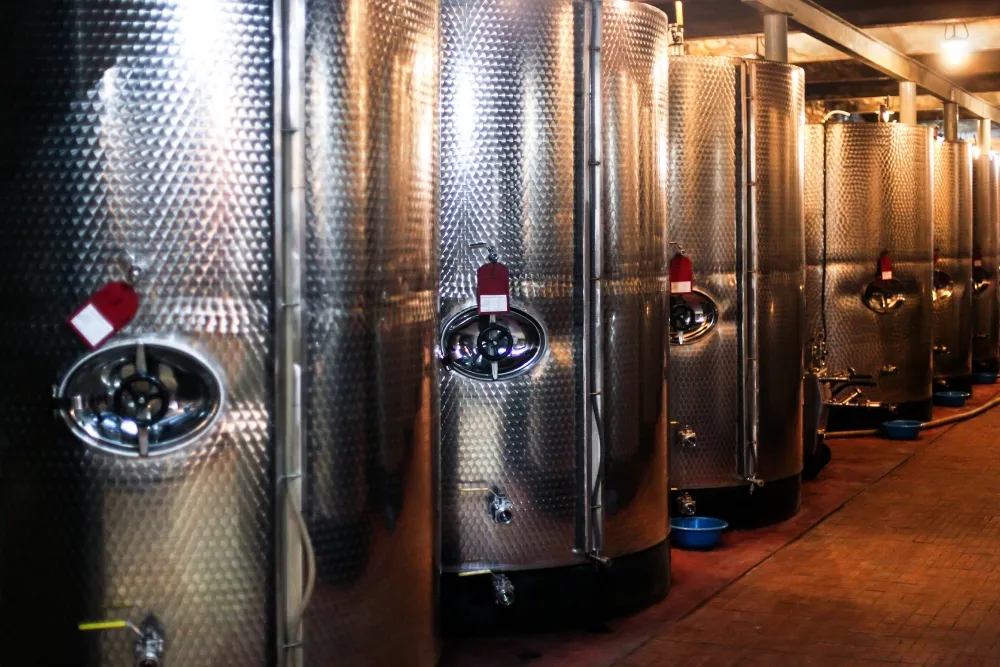
Winemaking in the Hunter Valley has evolved significantly over time, with the development of modern techniques playing a crucial role in shaping its wine industry. Innovations such as temperature-controlled fermentation and stainless steel tanks have allowed winemakers to have greater control over the fermentation process, resulting in wines with enhanced flavours and aromas.
Additionally, advancements in vineyard management practices, such as canopy management and irrigation systems, have improved grape quality and yield. These developments have helped establish the Hunter Valley as a world-class wine region renowned for its high-quality wines.
Climate and Geography of Hunter Valley
The Hunter Valley’s climate and geography create the perfect conditions for growing grapes and producing exceptional wines. From its unique terroir to the influence of the region’s climate on wine styles, read on to discover why Hunter Valley wines are truly special.
Ideal conditions for grape growing
The Hunter Valley boasts ideal conditions for grape growing. With a rich history in winemaking, the region’s climate and geography provide the perfect environment for cultivating high-quality grapes.
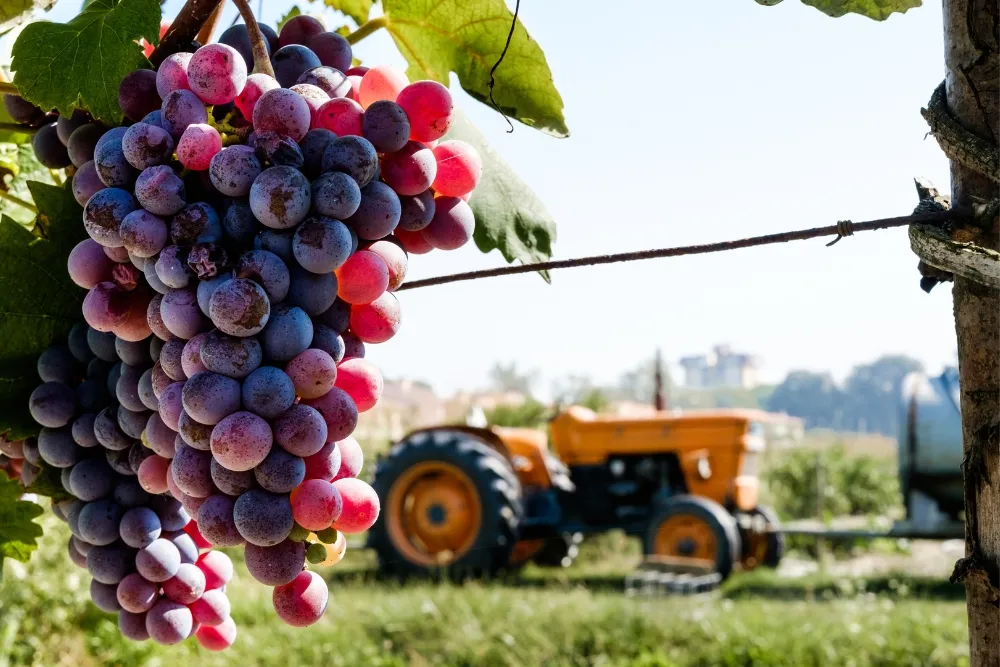
The warm summers and mild winters, along with ample sunshine, allow the grapes to ripen slowly and develop their unique flavours. Additionally, the soil composition, which consists of volcanic basalt and alluvial sands, provides excellent drainage and imparts distinct characteristics to the wines.
These optimal conditions contribute to the Hunter Valley’s reputation as one of Australia’s premier wine regions.
Unique terroir
The Hunter Valley boasts a unique terroir that sets it apart from other wine regions. The combination of climate, geography, and soil composition creates the perfect conditions for grape growing.
The region is known for its rugged environment, with steep hillsides and ancient soils that give the wines a distinct character. This terroir contributes to the production of exceptional wines, particularly the famous Hunter Valley Semillon.
With its crisp acidity and citrus flavours, this signature grape variety showcases the region’s unique terroir in every sip. Whether you’re a wine enthusiast or simply looking to enjoy Queensland’s beautiful countryside, exploring the Hunter Valley’s unique terroir is an experience not to be missed.
Influence of climate on wine styles
The climate of the Hunter Valley plays a significant role in shaping the wine styles produced in this region. With warm summers and mild winters, the weather conditions are ideal for grape growing.
The combination of sunshine, rainfall, and temperature variations throughout the year creates a unique terroir that contributes to the distinct flavours and characteristics of Hunter Valley wines.
These climatic influences result in vibrant, fruit-driven white wines like Semillon and Chardonnay, as well as full-bodied reds such as Cabernet Sauvignon. The diverse range of wine styles found here is a testament to the impact that climate has on viticulture and winemaking techniques in the Hunter Valley.
Wine Regions and Subregions
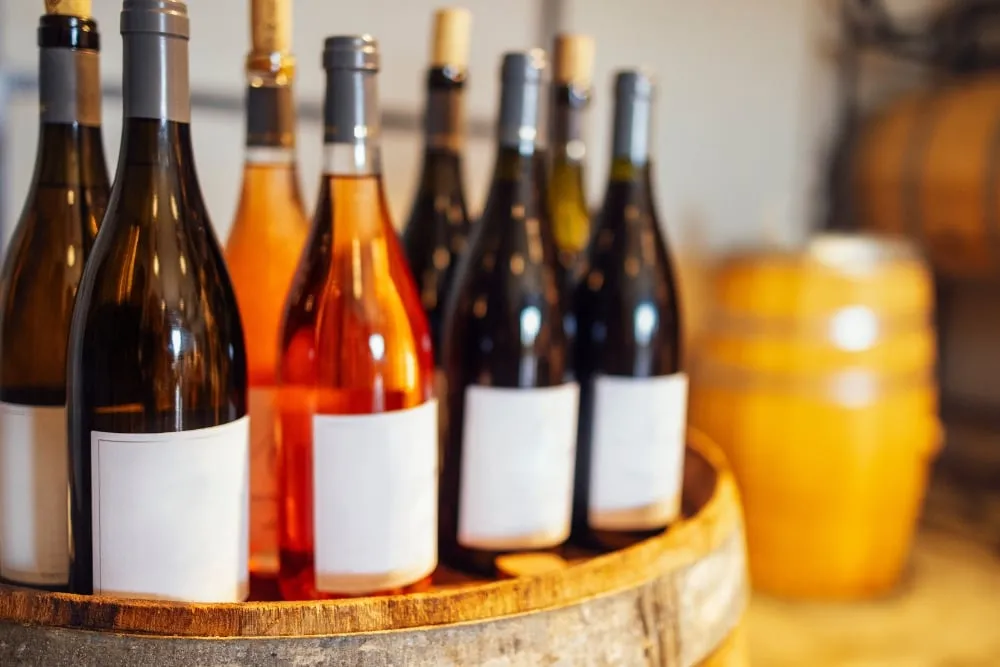
The Hunter Valley is home to several wine regions and subregions, including Broke Fordwich, Pokolbin, and the Upper Hunter Valley.
Broke Fordwich
Broke Fordwich, one of the sub-regions in the Hunter Valley, offers a charming and intimate wine experience. Situated along the banks of Wollombi Brook, this picturesque area is known for its boutique wineries and beautiful countryside.
Here, you can visit family-owned vineyards and cellar doors that produce exceptional wines. With its relaxed atmosphere and friendly hospitality, Broke Fordwich is the perfect destination for couples seeking a romantic getaway or event organisers looking for an idyllic setting.
Whether it’s sampling award-winning Semillons or enjoying a leisurely picnic among the vines, Broke Fordwich promises a memorable wine-tasting experience in the heart of Hunter Valley.
Pokolbin
Pokolbin is one of the sub-regions in the Hunter Valley, Australia’s oldest and most well-known wine region. Nestled among rolling hills and lush vineyards, Pokolbin offers a unique experience for tourists, couples, and event organisers alike.
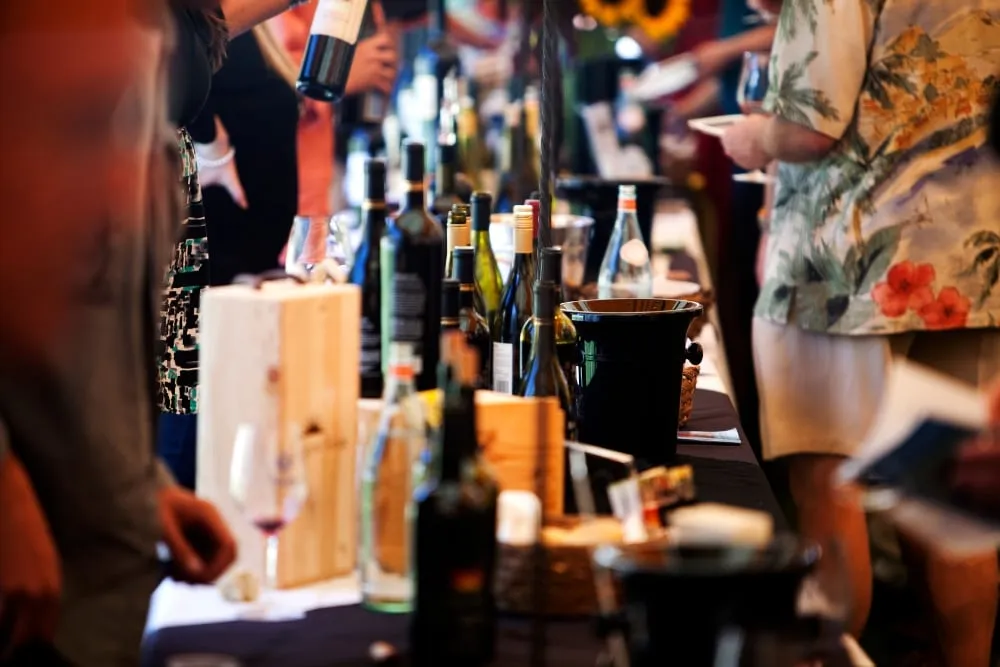
With over 150 great wineries to explore, visitors can indulge in wine tastings, cellar door experiences, and picturesque vineyard tours. The region is famous for its iconic wines, including the renowned Semillon grape variety that thrives in the Hunter Valley’s distinct terroir.
As you wander through Pokolbin’s charming streets lined with wineries and cellar doors, you’ll discover the rich historical lineage of winemaking in this area. From trailblazing viticulturists to innovative new winemakers carrying on the tradition today, Pokolbin showcases both old-world charm and contemporary flair in its vibrant wine culture.
Upper Hunter Valley
The Upper Hunter Valley is a picturesque and unique part of the renowned Hunter Valley wine region. Nestled in the rugged environment, this subregion boasts some of the oldest vines in Australia.
The vineyards here benefit from the ideal conditions for grape growing, with warm days and cool nights giving rise to exceptional wines. The Upper Hunter Valley is known for producing outstanding red varieties like Cabernet Sauvignon, which thrive in its terroir.
With its rich wine heritage and breathtaking landscapes, the Upper Hunter Valley is a must-visit destination for wine enthusiasts and nature lovers alike.

Key Grape Varieties and Significant Achievements
The Hunter Valley is known for its signature grape variety, Semillon, which produces crisp and refreshing white wines. Other notable grape varieties grown in the region include Chardonnay, Shiraz, and Cabernet Sauvignon.
The wines produced in Hunter Valley have received numerous awards and accolades, solidifying its reputation as one of Australia’s premier wine regions.
Semillon: the Hunter Valley’s signature grape
Semillon is the signature grape of the Hunter Valley, making it a must-try for any wine lover visiting the region. Known for its unique character and aging potential, Semillon from the Hunter Valley is renowned worldwide.
The climate and terroir of this area produce grapes with high acidity, resulting in crisp and refreshing wines. Whether you’re enjoying it young or aged, Semillon offers flavours of lemon zest, tropical fruits, and a distinct herbaceous note.
It’s no wonder that Semillon from Hunter Valley has received numerous accolades and awards over the years. So be sure to include a bottle of Semillon in your wine-tasting tour to fully experience what makes this grape so special in the region.
Other notable grape varieties
In addition to Semillon, the Hunter Valley also produces a range of other notable grape varieties. Chardonnay is another popular white grape grown in the region, known for its crisp acidity and tropical fruit flavours.
The warm climate and unique terroir of the Hunter Valley create ideal conditions for growing this variety. Cabernet Sauvignon is a standout red grape that thrives in the region’s rugged environment.
It produces full-bodied wines with rich blackberry and cassis flavours. These diverse grape varieties contribute to the Hunter Valley’s reputation as one of Australia’s premier wine regions, offering visitors an array of delicious options to explore and enjoy.
The region’s winemakers are constantly experimenting with new techniques and refining their craft to produce outstanding wines from these grape varieties. Their dedication has paid off, as Hunter Valley wines have received numerous awards and accolades over the years.
Whether you prefer a crisp white or a bold red, there is something for everyone in this dynamic wine region.
Awards and accolades received by Hunter Valley wines.
Hunter Valley wines have received numerous awards and accolades, solidifying their reputation as some of Australia’s finest. These well-deserved honours reflect the region’s dedication to producing exceptional wines.
From gold medals at international wine competitions to high ratings from renowned critics, Hunter Valley wines consistently impress with their quality and craftsmanship. The region’s iconic Semillon is especially celebrated, earning recognition for its unique flavour profile and age-worthiness.
With a rich history and a commitment to excellence, it’s no wonder that Hunter Valley wines continue to receive prestigious awards year after year.
Explore the History of Winemaking
The history of winemaking in Hunter Valley is a testament to the region’s resilience and innovation. From its early European settlement to the introduction of new grape varieties and modern winemaking techniques, the Hunter Valley has carved a name for itself as Australia’s oldest wine region.
With its picturesque landscapes, historic vineyards, and award-winning wines, it continues to captivate both locals and tourists alike. The legacy of its wine pioneers lives on through a new generation of talented winemakers who are pushing boundaries and solidifying the region’s reputation as a premier destination for wine enthusiasts.