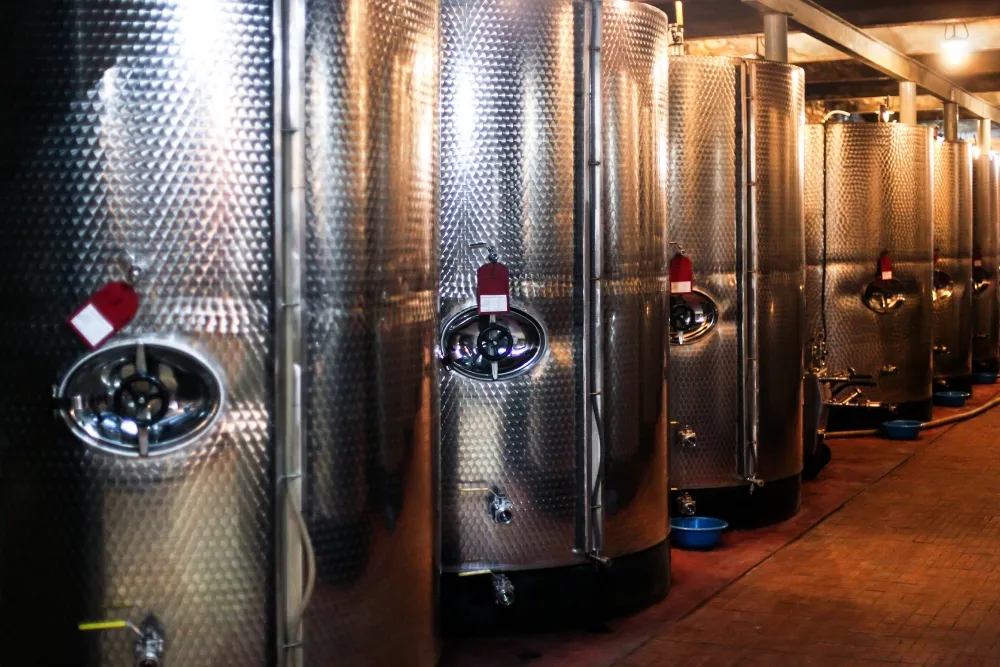
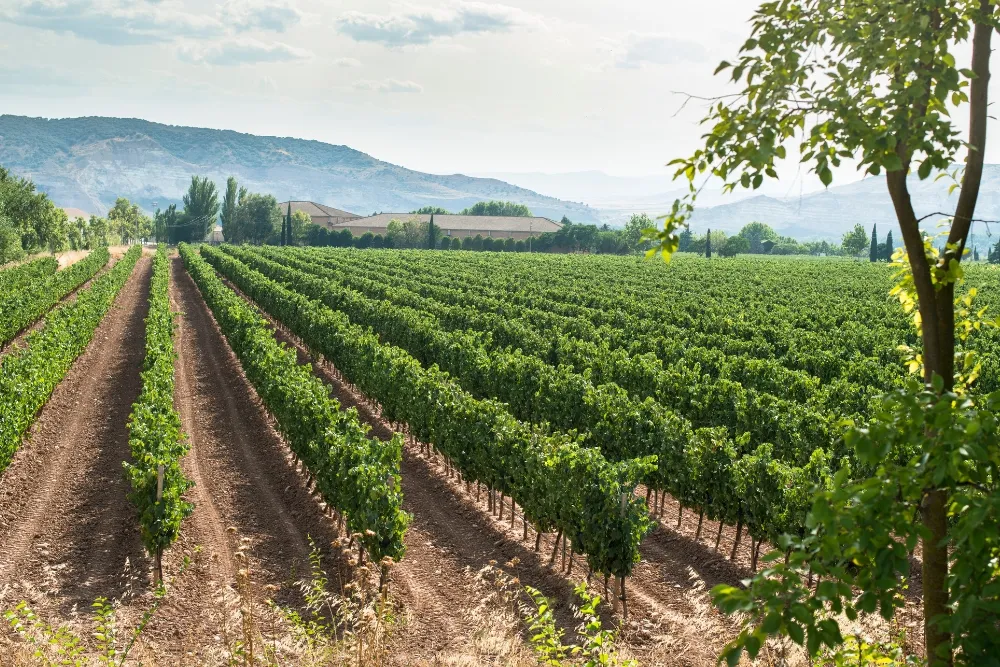
Who doesn’t love settling down with a top-notch drop of vino? But if you’re like us, there’s that niggling worry about the environmental impact behind every bottle. It’s a real conundrum! Thankfully, we’ve scoped out the Hunter Valley and found some ripper wineries leading the charge in sustainability.
Bet you didn’t know they could slash their water use by half. In our latest blog post, we’re spilling the beans on these green-thumb vignerons who aren’t just making great wine; they’re looking after our precious planet too.
Key Takeaways
- Hunter Valley wineries are slashing their environmental impact through eco-friendly farming methods that preserve soil health and promote biodiversity without the use of harmful chemicals.
- Local community engagement is key, with green wineries partnering with local farmers, businesses, and indigenous groups to advance sustainability and protect regional culture.
- Wineries in Hunter Valley are cutting down on waste by composting organic materials, using innovative packaging, recycling more effectively, and encouraging visitors to join in these initiatives.
- The move towards renewable energy is strong among sustainable wineries with solar panels, wind turbines, geothermal systems, hydroelectric power, and bioenergy becoming common sights at vineyards looking to reduce carbon emissions.
- Visitors can enjoy a full eco-friendly experience from wine tastings at organic vineyards to staying in green accommodations that use solar power or other sustainable practices.
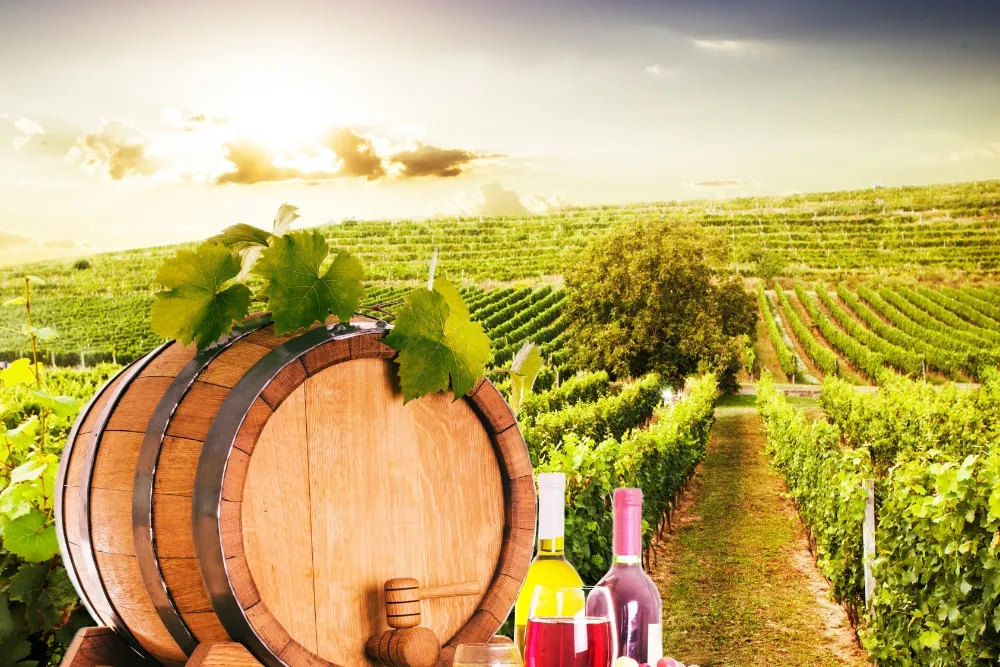
Benefits of Sustainable Practices in Wineries
Sustainable practices in wineries offer a range of benefits, including reduced environmental impact, increased community engagement, and the promotion of indigenous culture and heritage.
These initiatives help to create a more sustainable future for the Hunter Valley region while also enhancing the overall experience for visitors.
Reduced environmental impact
We’re seeing green wineries in Hunter Valley take huge strides to cut down on pollution and protect our planet. By embracing eco-friendly practices, these wineries are making a big difference.
They use organic farming methods that don’t rely on harmful chemicals, keeping the soil healthy and full of life. Not only does this approach support biodiversity, but it also ensures the grapes are as natural as can be.
Wineries around here are serious about reducing their carbon footprint, too. Many have switched to renewable energy sources like solar panels to power operations without adding greenhouse gases into the air.
They manage resources wisely, saving water through smart irrigation systems and preserving the natural beauty of Hunter Valley for future generations to enjoy their favourite wines amidst stunning scenery.
Increased community engagement
Wineries in Hunter Valley actively involve the local community in their sustainable practices. Through partnerships with local farmers, businesses, and indigenous groups, they promote environmental conservation and community sustainability.
From organising eco-friendly events to collaborating with local artisans for sustainable products, wineries foster a sense of shared responsibility towards natural resource protection and ecological balance.
Community engagement initiatives include educational programmes on sustainable agriculture and biodiversity preservation. By involving locals in conservation management and green initiatives, wineries create a platform for collective action towards reducing carbon footprint and promoting eco-conscious production practices in the region.
Promoting indigenous culture and heritage
After engaging with the local community, it’s important to also promote indigenous culture and heritage within the winery. This can be achieved by collaborating with indigenous groups and artists to incorporate traditional art, stories, and practices into the winery experience.
By showcasing indigenous knowledge and techniques in viticulture and land management, we honour their cultural legacy while fostering a deeper understanding of sustainable practices.
Additionally, offering educational experiences such as guided bush tucker walks or cultural workshops provides visitors with a unique opportunity to learn about the rich history and traditions of Australia’s First Nations peoples.
Ways Wineries Can Implement Sustainability
Implementing sustainability in wineries can be achieved through sustainable farming practices, waste reduction and recycling, energy efficiency and conservation, as well as the use of renewable energy sources.
These practices not only reduce the environmental impact but also contribute to promoting a healthier planet for future generations.
Waste reduction and recycling
To reduce waste and promote recycling at green wineries in Hunter Valley, we focus on:
- Implementing composting programmes to manage organic waste and enrich soil for vineyards.
- Utilising innovative packaging solutions to minimise plastic use and reduce non – recyclable materials.
- Collaborating with local recycling facilities to ensure proper disposal of glass, paper, and other recyclables.
- Encouraging guests to participate in onsite recycling initiatives through educational programmes and interactive displays.
- Developing partnerships with suppliers who prioritise sustainable packaging and shipping methods.
Energy efficiency and conservation
- Installing motion sensor lighting in production areas and tasting rooms helps conserve energy by ensuring lights are only in use when needed.
- Utilising energy-efficient appliances and equipment in winemaking processes decreases energy consumption while maintaining high production standards.
- Implementing smart heating, ventilation, and air conditioning (HVAC) systems lowers energy usage without compromising comfort for patrons and employees.
- Adopting solar panels or other renewable energy sources to power operations reduces reliance on traditional electricity grids and supports green energy initiatives.
- Conducting regular energy audits to identify areas for improvement and track progress towards reducing overall consumption levels.
Use of renewable energy sources
To further reduce our carbon footprint and promote sustainable practices, wineries in Hunter Valley utilise renewable energy sources. This not only lowers environmental impact but also ensures a commitment to eco-conscious production. Here are some of the ways wineries are incorporating renewable energy sources:
- Installation of solar panels to harness the sun’s energy for powering operations and reducing reliance on traditional power sources.
- Utilising wind turbines to generate clean, renewable power and minimise dependency on fossil fuels.
- Integration of geothermal heating and cooling systems to regulate temperature in wine cellars and facilities, reducing overall energy consumption.
- Adoption of hydroelectric power through micro-hydro systems, utilising flowing water to generate electricity in an environmentally friendly manner.
- Implementing bioenergy solutions such as biomass boilers or biogas production from organic waste, contributing to sustainable energy generation while managing winery waste effectively.

Eco-Friendly Experiences in the Hunter Valley
Discover the charm of organic wineries and indulge in farm-to-table dining experiences. Explore eco-tourism activities and escape to green accommodation options for a truly sustainable getaway in the Hunter Valley.
Organic wineries and farm-to-table dining
Organic wineries and farm-to-table dining offer an authentic and sustainable experience for visitors. Here are some ways to experience this eco-friendly lifestyle:
- Enjoy wine tastings at organic wineries that prioritise biodynamic agriculture, reducing their carbon footprint while delivering high-quality produce.
- Explore farm-to-table dining options where local, seasonal ingredients shine in delicious dishes that promote green farming practices and support the regional economy.
- Engage with passionate winemakers and farmers who are committed to sustainability, and learn about their eco-friendly practices firsthand.
- Indulge in meals that are not only fresh but also contribute to waste reduction, supporting the environment while satisfying your taste buds with a guilt-free dining experience.
- Immerse yourself in the Hunter Valley’s natural beauty by choosing eco-friendly food and beverage experiences that align with your values as a conscious consumer.
Eco-tourism and green escapes
Looking for eco-friendly experiences in the Hunter Valley? Look no further! Hunter Valley offers a range of activities and accommodations that cater to environmentally conscious travellers.
- Stay at eco-friendly accommodations: Choose from a variety of sustainable lodging options, including eco-lodges, glamping sites, and properties committed to reducing their carbon footprint.
- Explore organic wineries: Visit biodynamic wineries in the valley, where you can learn about sustainable farming practices and sample certified organic wines with a low environmental impact.
- Enjoy farm-to-table dining: Indulge in fresh, locally sourced cuisine at farm-to-table restaurants that prioritise sustainability and support local farmers.
- Engage in nature-based activities: Take part in outdoor activities such as hiking, bird-watching, or kayaking in the serene natural surroundings of the valley.
- Participate in eco-tours: Join guided tours focused on showcasing the region’s environmental initiatives, conservation efforts, and indigenous culture, promoting an educational and enriching experience for tourists.
Eco-friendly accommodation options
After enjoying eco-tourism and green escapes in the Hunter Valley, consider staying at one of these eco-friendly accommodation options that complement your sustainable travel experience:
- Stay in a solar-powered cabin nestled amidst vineyards, reducing your carbon footprint while enjoying the scenic beauty.
- Choose an eco-lodge made from recycled materials, and immerse yourself in nature without leaving a negative impact on the environment.
- Book a room at a boutique hotel committed to sustainable practices, such as rainwater harvesting and energy-efficient lighting.
- Experience off-grid glamping in a safari tent equipped with composting toilets and solar panels, blending luxury with environmental responsibility.
- Opt for a vineyard cottage powered by wind turbines, allowing you to relax while supporting renewable energy sources.
- Explore treehouse accommodations constructed using sustainable timber, offering a unique and environmentally friendly lodging experience.
- Consider booking a stay at an agri-tourism farm where you can embrace farm-to-table living and learn about sustainable farming practices firsthand.
Wine tastings with a green twist
After experiencing eco-friendly accommodation options, visitors to Hunter Valley can indulge in wine tastings with a green twist. Many wineries in the region are embracing sustainable practices, offering organic and biodynamic wines for tourists to enjoy.
Guests can learn about environmentally friendly viticulture and production methods while savouring delicious wines produced through low-impact processes. By participating in these unique experiences, tourists contribute to reducing the carbon footprint of the wine industry while supporting eco-tourism initiatives.
This provides an opportunity for couples and event organisers to immerse themselves in sustainable wine culture while appreciating the natural beauty of Hunter Valley.
Maintain a Sustainable Practice
In conclusion, sustainable practices in wineries offer numerous benefits. Reduced environmental impact, increased community engagement, and promotion of indigenous culture are all part of the larger picture.
By implementing eco-friendly experiences in the Hunter Valley, visitors can support biodynamic practices and reduce their carbon footprint. Tourists, couples, and event organisers can actively participate in green tourism while enjoying the beauty of this renowned region.